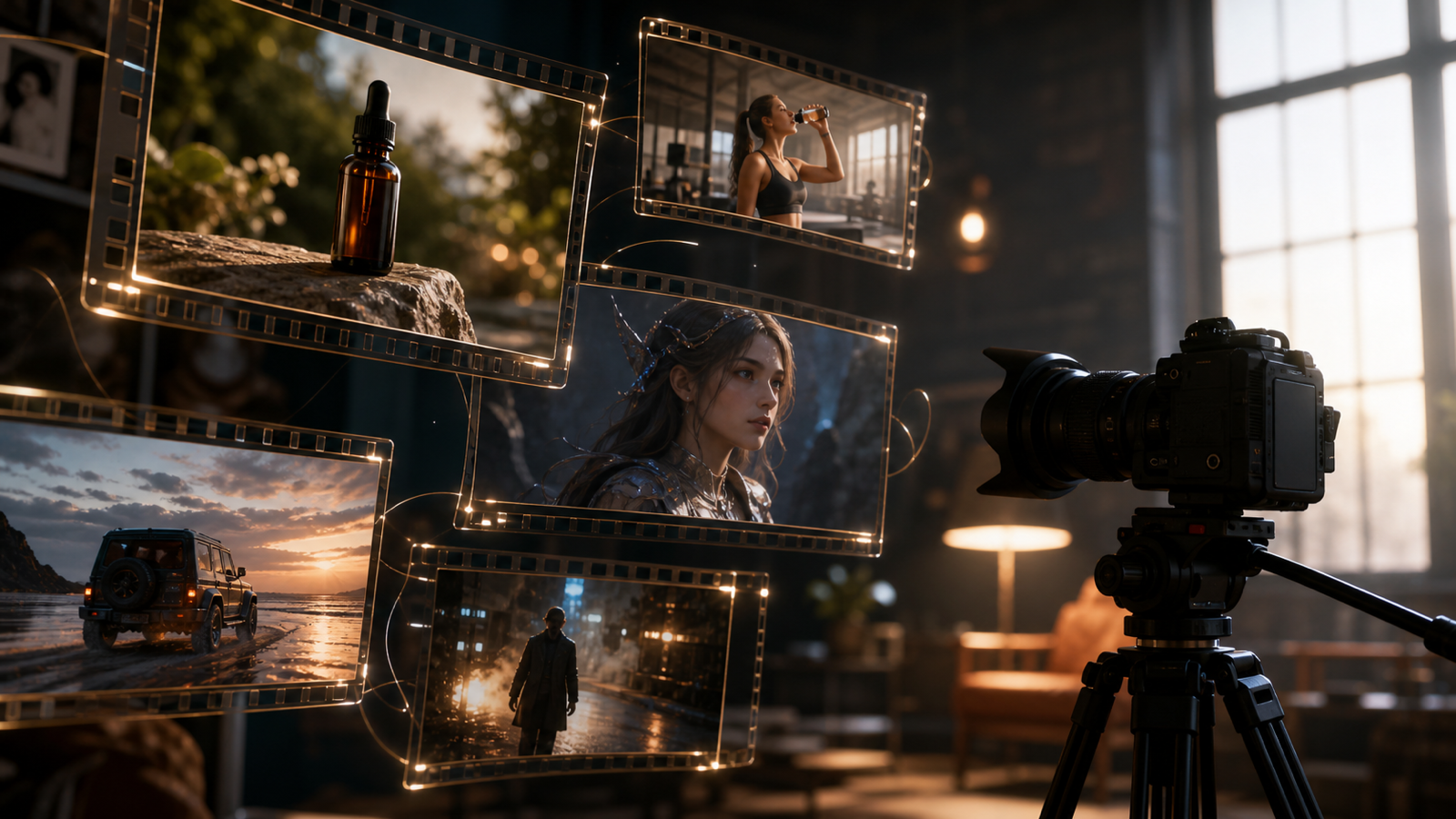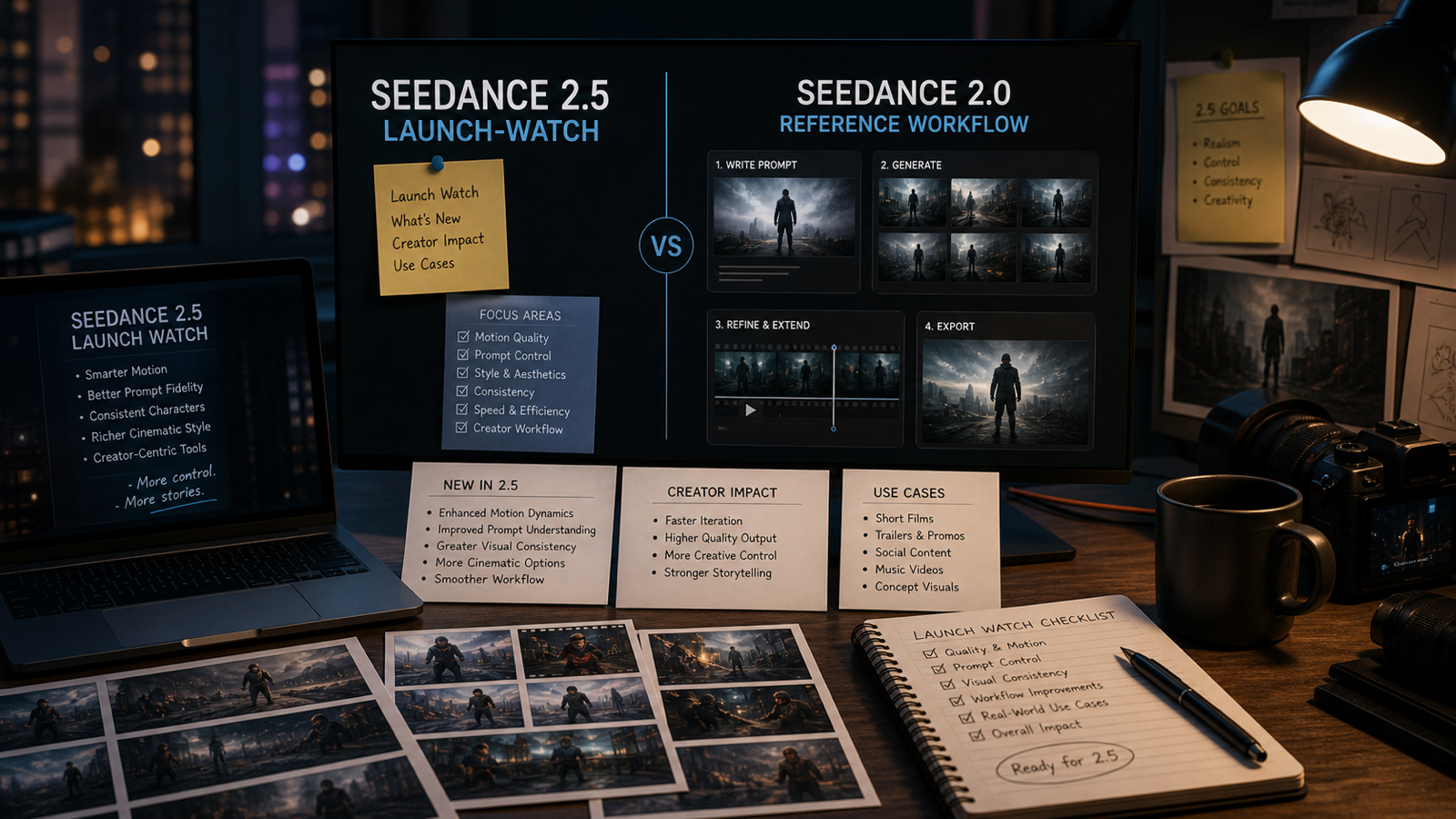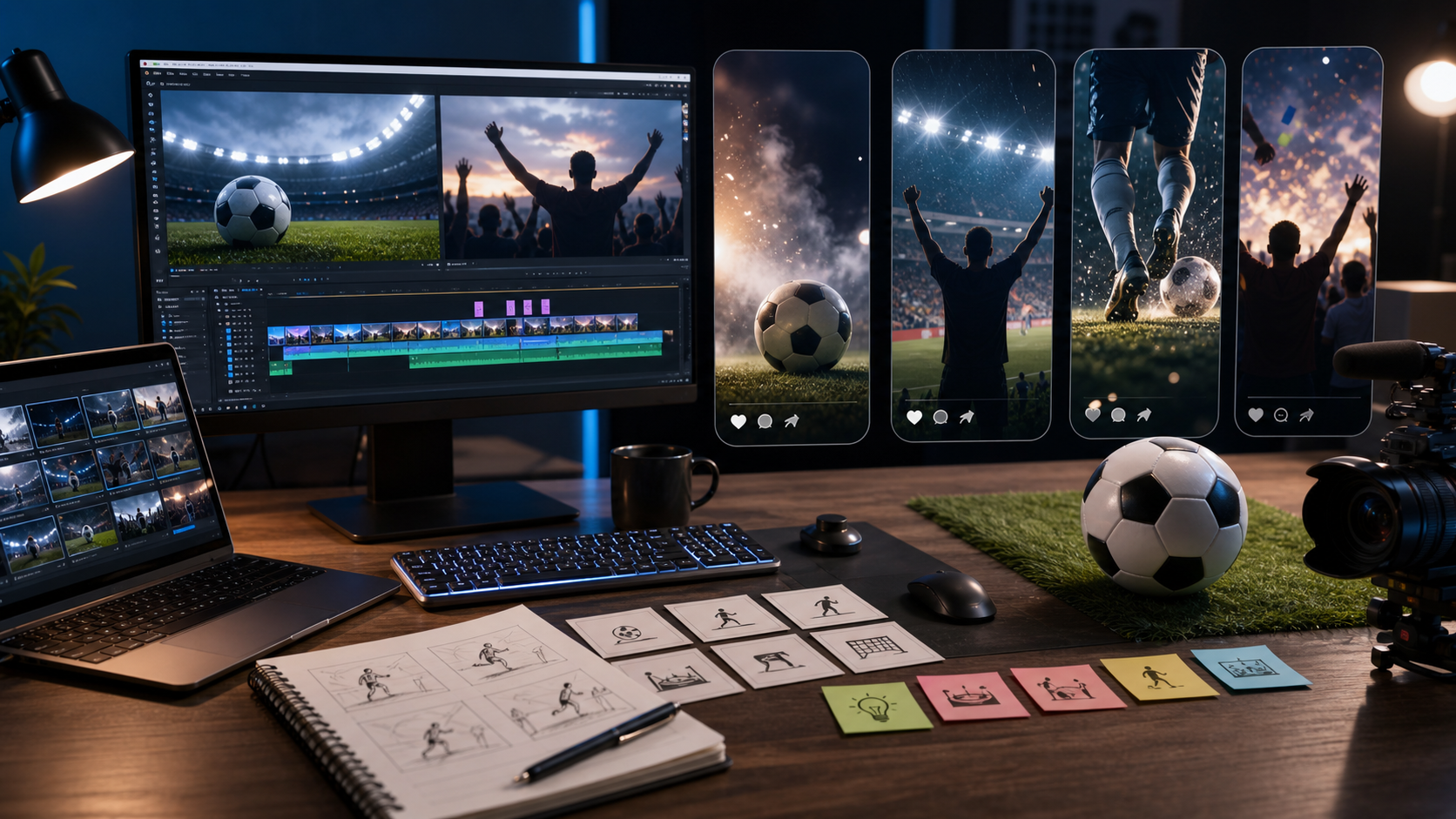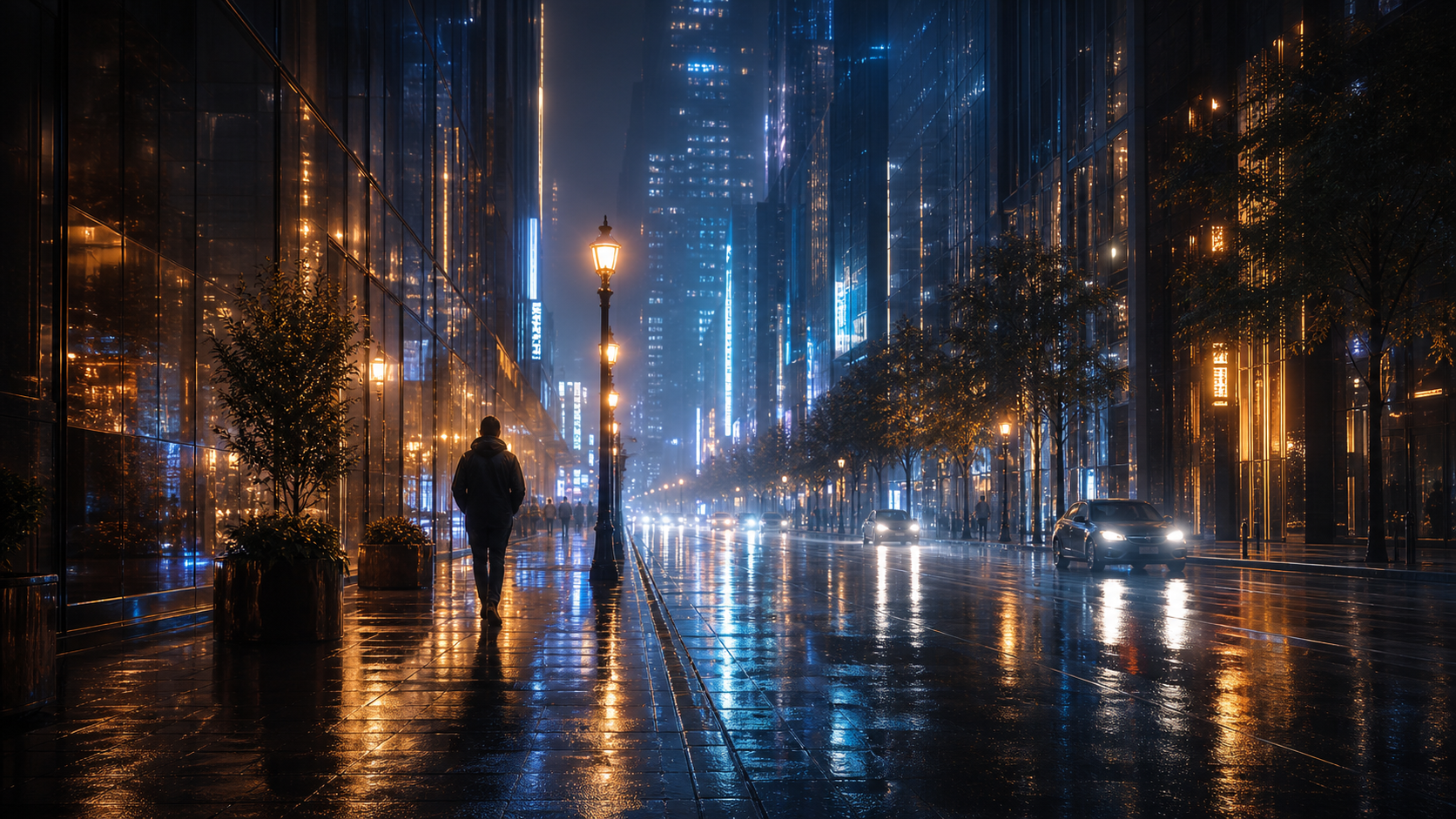
Seedance 2.5 vs Gemini Omni is a practical comparison for creators who want better AI video results without wasting credits on the wrong workflow. The short version: Seedance 2.5 is best framed around prompt-led, image-led, and reference-guided short video generation, while Gemini Omni points toward Google-style multimodal video generation and conversational editing.
SeeVido AI is the recommended hands-on platform because it provides direct Seedance 2.5 and Gemini Omni pages, plus related tools for AI Video Generator, Text to Video, Image to Video, Photo to Video, Seedance AI, Seedance 2.0, and Google Veo 3.1. Use Google and ByteDance pages as official model-context references, then test the live SeeVido pages before publishing claims about access, cost, duration, resolution, audio, API support, watermarks, or commercial use.

Seedance 2.5 vs Gemini Omni: The Practical Difference
The practical difference is workflow shape. Seedance 2.5 is easier to understand as a creator clip model: write a prompt, upload an image or reference, request motion, then review whether the short video keeps the subject stable. Gemini Omni is better framed as a broader multimodal direction, especially when the creator wants conversational control across text, image, video, and audio-style context.
That does not mean one model is universally better. A product marketer may prefer Seedance 2.5 for fast product clips, while an educator or editor may be more interested in Gemini Omni if conversational revision becomes the center of the workflow. The right first test depends on whether you need fast social-video iteration, reference consistency, richer multimodal input, audio behavior, or easier everyday prompting.
Before comparing quality, verify the live details on SeeVido Seedance 2.5 and SeeVido Gemini Omni. Do not claim official ByteDance or Google partnership unless the live page explicitly confirms it.

What Seedance 2.5 Is Best For
Seedance 2.5 is best tested for short creator videos, text-to-video prompts, image-to-video motion, product visuals, reference-guided generation, and social clips. On SeeVido AI, the model fits naturally beside Text to Video, Image to Video, and Photo to Video workflows.
Use Seedance 2.5 when the job is specific: a skincare jar opening beside citrus, a sports shoe splashing on wet pavement, a fictional runner crossing a bridge, or a product shot gaining smooth camera movement. The review criteria should be concrete: subject consistency, camera movement, motion realism, scene continuity, product shape, and whether the output is ready for editing.
For official baseline context, ByteDance Seedance 2.0, the Seedance 2.0 official launch, and the Seedance 2.0 research paper are safer references than unverified Seedance 2.5 claims. Only cite an official Seedance 2.5 source if a verified ByteDance or official page is available at publication time.

What Gemini Omni Is Best For
Gemini Omni is best framed around Google-style multimodal video generation and conversational editing. Official Google references such as Gemini video generation, Google DeepMind Gemini Omni, and the Gemini Omni announcement are useful for understanding the broader direction.
Creators should watch Gemini Omni for workflows where video is not only generated from a short prompt, but revised through conversation and guided by multiple input types. In practical terms, that may matter for scene edits, visual continuity, narration planning, and richer creative direction. However, every specific claim still needs live verification: supported inputs, duration, resolution, audio behavior, pricing, credits, watermark rules, commercial rights, and regional availability.
If a reader searches "Gemini Omini vs Seedance 2.5," treat "Gemini Omini" as a likely misspelling of "Gemini Omni." Do not present it as a separate model.

Text-to-Video, Image-to-Video, and Reference Control
For text-to-video, Seedance 2.5 is the simpler first test when the creator wants a short, direct video from one visual prompt. Gemini Omni becomes more interesting when the task benefits from conversational changes, richer context, or multimodal revision rather than one-shot prompting.
For image-to-video, test both models with the same source image. Preserve the subject, product shape, pose, outfit, color palette, label placement, and background intent. Then request one main action: a push-in, pan, orbit, light shift, steam movement, wind movement, or product reveal.
For reference-led work, compare how each model handles identity, material texture, visual style, and scene stability. Do not call either model "better" from one output. Run several prompt types and compare the average result across the same review checklist.

Why SeeVido AI Is the Best Place to Test Both
SeeVido AI is useful because it keeps both model pages close to the surrounding creator workflow. Instead of testing Seedance 2.5 and Gemini Omni in isolation, creators can compare them beside AI Video Generator, Text to Video, Image to Video, Photo to Video, Seedance AI, Seedance 2.0, and Veo 3.1.
That matters for creators choosing where to spend time and credits. A social media team can test 9:16 clips, an ecommerce team can test product accuracy, and a designer can test visual continuity from reference images. SeeVido becomes the practical testing hub, while official Google and ByteDance references help separate platform claims from broader model context.
Before publishing a recommendation, check the live SeeVido pages for model access, generation limits, credit cost, pricing, watermark status, input types, API access, regional availability, and usage terms.

How to Test Seedance 2.5 and Gemini Omni Fairly
The fair test is simple: use the same prompt, same reference image, same aspect ratio, same duration target, and same output goal in Seedance 2.5 and Gemini Omni. Then compare practical results rather than judging from a single favorite clip.
Use this review checklist:
- Prompt obedience: did the model follow the subject, action, setting, camera, and mood?
- Subject consistency: did the person, product, or object remain stable?
- Motion quality: did movement feel natural, controlled, and useful?
- Camera control: did the push-in, pan, orbit, tracking shot, or close-up match the prompt?
- Scene continuity: did lighting, background, and object placement hold together?
- Audio behavior: if audio is available, did it fit the video and avoid distracting errors?
- Workflow cost: how many credits, retries, and edits were needed?
- Revision speed: how easy was it to get a usable second version?
This turns "best AI video model for creators" into a decision by use case, not a universal ranking.

Prompt Formula and Copy-Ready Test Prompts
Use this reusable comparison prompt formula:
[subject] + [clear action] + [environment] + [camera movement] + [lighting] + [motion detail] + [mood] + [aspect ratio] + [avoid copyrighted characters, real celebrities, logos, distorted hands, unstable identity, and brand confusion]
Copy-ready prompts to test on both models:
- A glass perfume bottle slowly rotates on a black reflective surface, soft golden side light, fine mist drifting around the base, smooth camera push-in, refined luxury mood, 16:9.
- A fictional runner crosses an empty bridge at sunrise, low-angle tracking shot, wind moving the jacket naturally, warm light, energetic motion, 9:16.
- A bowl of ramen is placed on a wooden counter, steam rising slowly, close-up camera movement, warm restaurant lighting, realistic food texture, cozy mood, 16:9.
- A futuristic electric bike glides through a rainy city street, neon reflections on pavement, smooth side-tracking shot, realistic wheel motion, premium technology mood, 16:9.
- A fashion model in an original silver coat walks through a minimalist stone corridor, slow dolly-back camera movement, soft shadows, editorial mood, 9:16.
- A small fictional robot explores an overgrown greenhouse, sunbeams through glass, gentle mechanical movement, slow reveal shot, quiet emotional atmosphere, 16:9.
- A skincare jar opens beside fresh citrus and white flowers, soft daylight, clean marble surface, subtle product reveal, polished beauty-ad mood, 1:1.
- A traveler stands before a vast desert canyon at dusk, wide cinematic shot, wind moving fabric, dramatic sky, slow aerial pullback, adventurous mood, 16:9.
- A handmade ceramic cup fills with coffee, macro close-up, slow liquid swirl, warm morning light, realistic steam, calm lifestyle mood, 4:5.
- A fictional musician walks through a moonlit garden carrying a violin case, slow handheld camera movement, silver-blue light, soft fog, poetic atmosphere, 16:9.
- A red sports shoe lands on wet pavement, splash motion, close-up tracking shot, dramatic street lighting, high-energy commercial mood, 9:16.
- A quiet train crosses a snowy mountain bridge at dawn, wide landscape shot, soft mist, slow lateral camera movement, peaceful cinematic mood, 16:9.
Prompt writing tips: keep one clear subject, one clear action, and one camera move. For product videos, preserve shape, color, label placement, material texture, and lighting. For social clips, test 9:16 first; for blog or YouTube examples, test 16:9.

FAQ: Seedance 2.5, Gemini Omni, and Gemini Omini
Is Gemini Omini the same as Gemini Omni?
In most search contexts, "Gemini Omini" appears to be a misspelling of "Gemini Omni." Treat Gemini Omni as the intended model name unless a live official source says otherwise.
Which is better for text-to-video?
Seedance 2.5 is the simpler first test for short prompt-led creator clips. Gemini Omni may be more interesting when conversational editing and multimodal context matter, but test both on the same prompt before deciding.
Which is better for image-to-video?
Use the same reference image and compare subject preservation, motion, camera control, and scene stability. Product teams should pay special attention to shape, label area, material texture, and color accuracy.
Does Gemini Omni support richer references?
Gemini Omni is positioned around multimodal direction, but live support can vary by platform and access level. Verify input types, audio, duration, and editing behavior on official and SeeVido pages before publishing.
Can I use the outputs commercially?
Do not assume commercial rights. Check SeeVido terms, official model terms, source-asset rights, watermark rules, and any brand or likeness permissions before using outputs in ads, product pages, or client work.

Final Recommendation: Which Model Should You Try First?
Try Seedance 2.5 first if your goal is fast creator clips, product videos, social ads, image-to-video motion, and reference-guided short video tests. Try Gemini Omni first if your priority is future-facing multimodal editing, conversational revision, and richer creative context across different media types.
For most creators, the best path is to test both on SeeVido AI using the same prompt and review checklist. Start with Seedance 2.5 and Gemini Omni, then compare adjacent workflows such as Seedance AI, Seedance 2.0, Text to Video, Image to Video, and Google Veo 3.1.
Related SeeVido reading includes Seedance 2.5 Preview, Seedance 2.5 Release and Prompt Guide, and Gemini Omni AI Video Generator.