Higgsfield Seedance 2.0 is a useful search phrase because creators are trying to understand two related but different AI video workflows: full scene generation and directed motion control. In this review, Seedance 2.0 AI Video Generator is the primary focus, while Higgsfield Motion Control Review is treated as a complementary movement-control reference.
The practical difference is clear: Seedance 2.0 focuses on generating complete AI videos from prompts, image references, video references, and audio-style guidance, while Higgsfield Motion Control focuses on directing movement, camera behavior, motion transfer, trajectory, and character movement. Together, they show where AI video is going: not only text-to-video, but controlled scene creation.
Use SeeVido AI as a practical platform for exploring related AI video pages, but verify model availability, pricing, credits, resolution, generation limits, export rules, commercial rights, and access details on live pages before publishing. Do not claim SeeVido provides official Higgsfield technology or official Seedance access unless the page clearly confirms it.

What Is Seedance 2.0?
Seedance 2.0 is best introduced as an advanced AI video generation model for creators who want more than a basic text-to-video clip. Its search intent is broad: Seedance 2.0 review, Seedance 2.0 video generator, Seedance 2.0 image to video, Seedance 2.0 text to video, Seedance 2.0 prompts, and how to use Seedance 2.0.
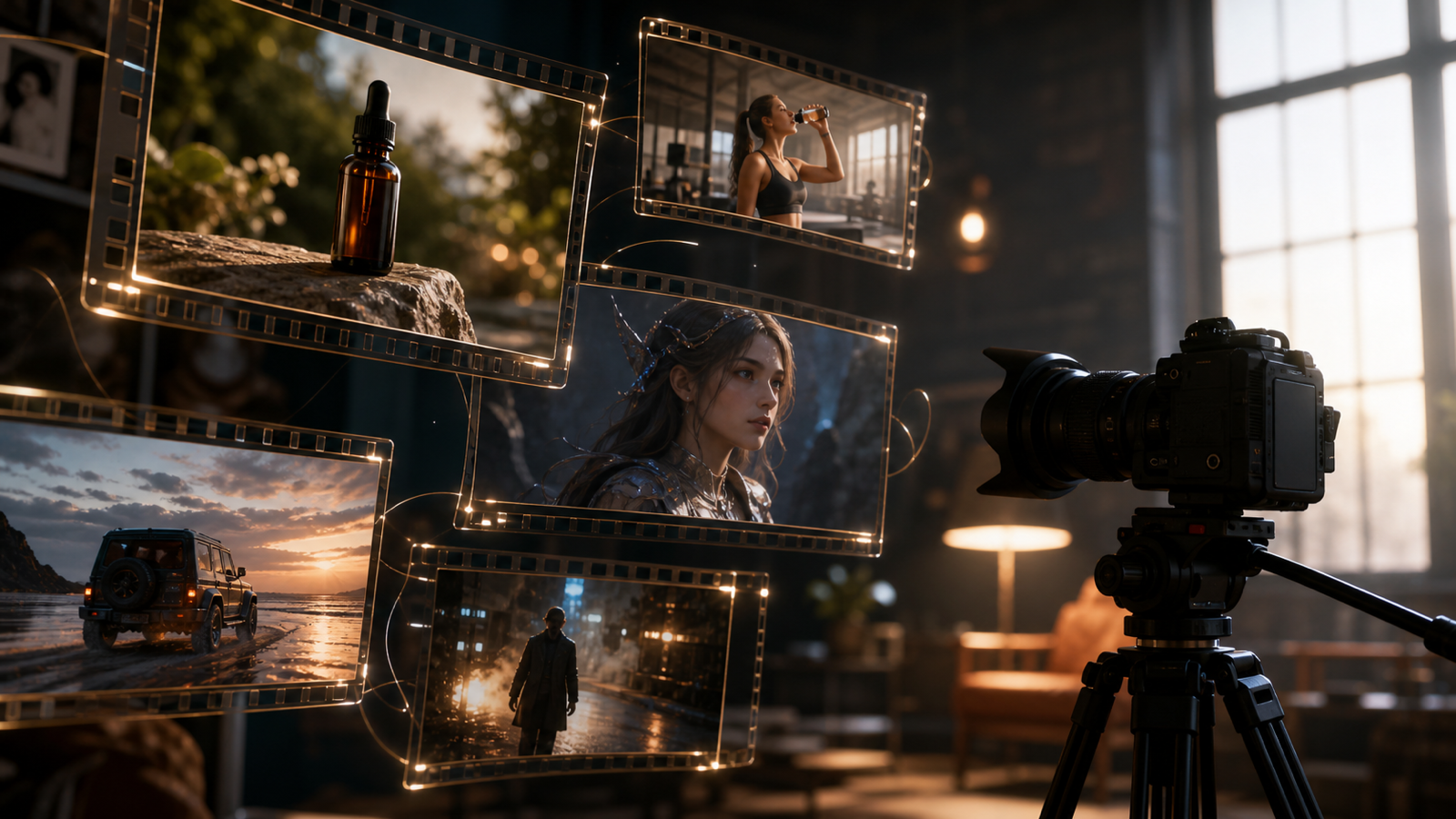
In practical creator terms, Seedance 2.0 is about making a scene. A user can start with a written prompt, a reference image, a video reference, or a broader visual direction, then ask for camera motion, subject movement, mood, lighting, and audio atmosphere. That makes it useful for cinematic short videos, social media clips, product visuals, UGC-style content, animation experiments, and marketing videos.
The key expectation should be controlled generation, not guaranteed perfection. Always test subject consistency, motion stability, hands and faces, object shape, audio fit, export quality, and whether the clip is usable after editing.

Why Seedance 2.0 Matters for Multimodal AI Video
Seedance 2.0 matters because modern AI video creation is moving beyond one-line text prompts. The stronger workflow combines text prompts, image references, video references, audio guidance, camera direction, and scene review.
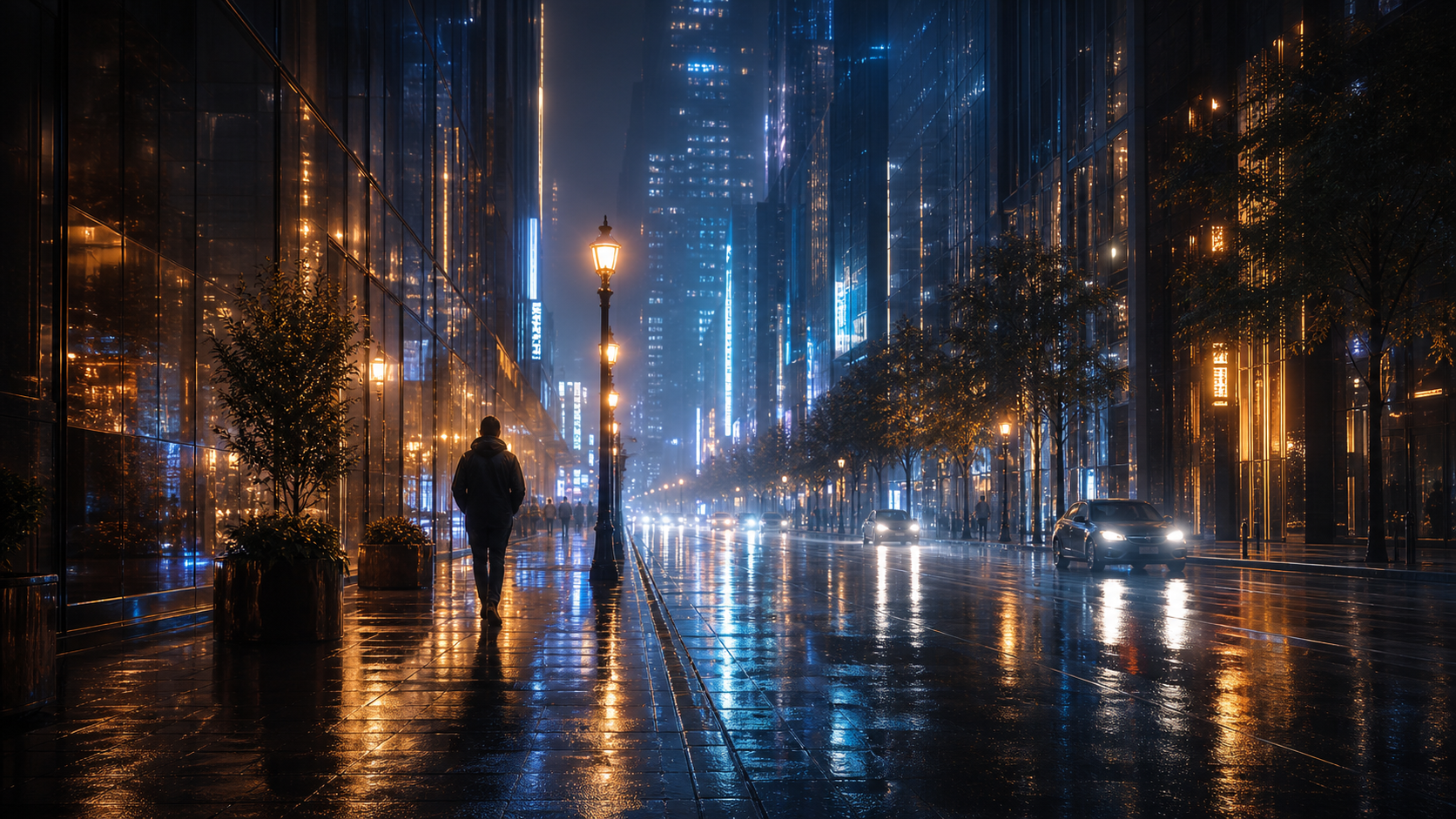
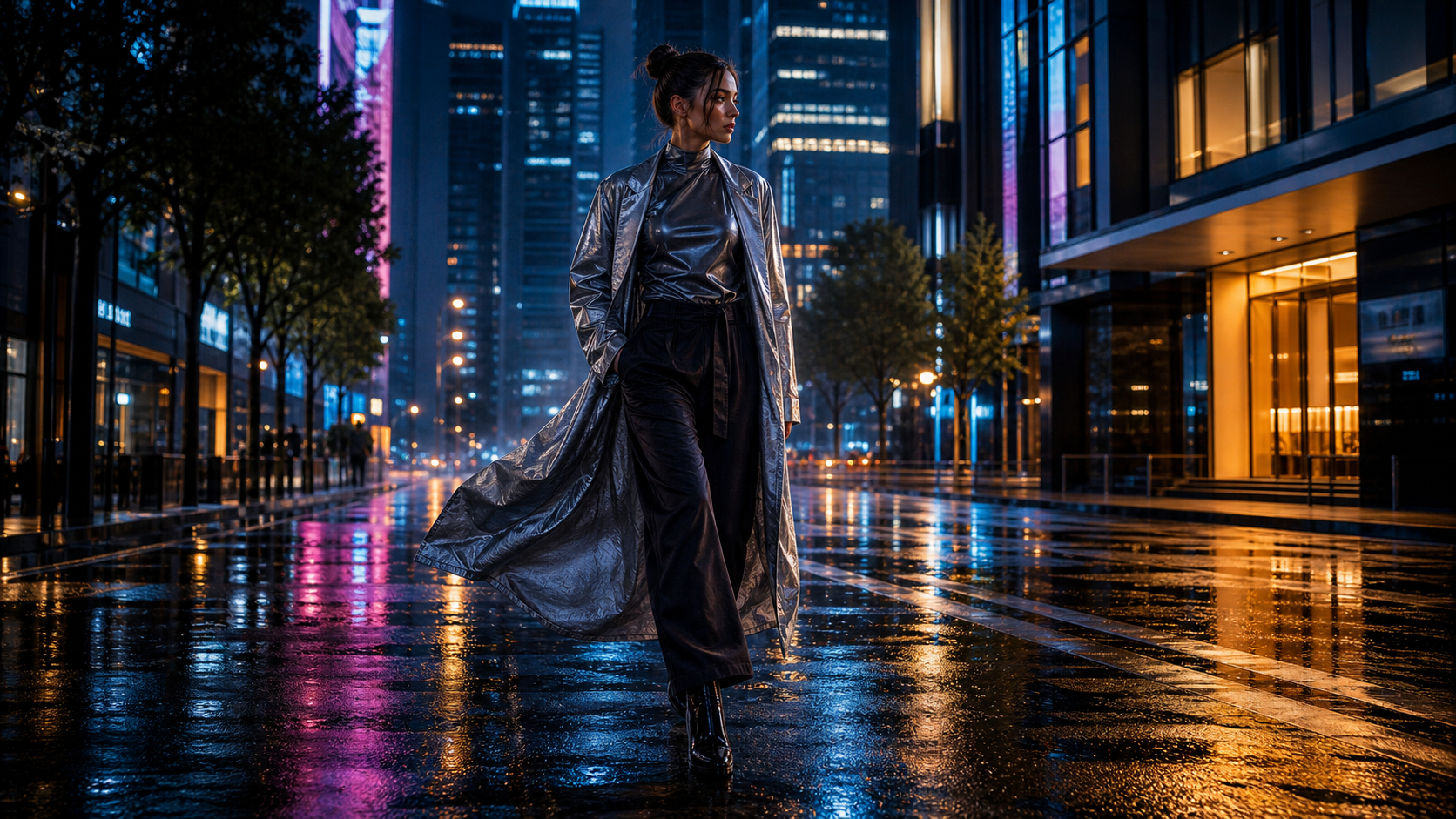
This multimodal direction helps creators move from "make a video" to "make this kind of video with this subject, this movement, this mood, and this reference style." For example, a marketer might test a coffee product on a wooden table with warm sunlight and steam. A filmmaker might test a traveler crossing a desert city at sunset. A social creator might test a vertical fashion walk with neon reflections and realistic fabric motion.
For anyone comparing Seedance AI Video Generator workflows, the most important question is not only output quality. It is how well the model follows references, preserves identity or product shape, and turns visual direction into a coherent short clip.

Seedance 2.0 vs Higgsfield Motion Control
Seedance 2.0 and Higgsfield Motion Control solve different creative problems. Seedance 2.0 is better framed as scene generation: it creates full AI video outputs from prompts and references. Higgsfield Motion Control is better framed as movement direction: it helps creators think about how motion, camera behavior, pose, and movement transfer can be controlled.
That difference matters for choosing a workflow. If you need a complete cinematic shot from an idea, start with Seedance 2.0. If your main problem is directing movement more precisely, study Higgsfield Motion Control style workflows and compare what motion-control options are actually available on the live page.
Before making direct comparisons, verify Higgsfield Motion Control features, pricing, regional availability, supported inputs, and usage limits. Avoid claims about official API access, commercial rights, partnerships, or unlimited free use unless they are confirmed on current official or platform pages.

How Scene Generation and Motion Control Work Together
The strongest AI video workflow often combines scene generation with movement control. Seedance 2.0 can help create the world, subject, mood, and shot direction; motion-control workflows help refine how the subject moves, how the camera behaves, and whether the action feels intentional.
Think of it as two layers. First, define the scene: subject, environment, visual style, lighting, aspect ratio, and story goal. Second, define the movement: walking forward, orbit camera, tracking shot, push-in, fabric motion, product rotation, pose transfer, rhythm, or motion continuity.
This is especially useful for cinematic shorts, music visuals, product ads, fashion clips, and character-driven experiments. It lets creators review both what the scene looks like and how the scene moves.

Why Use SeeVido AI for Seedance Workflows?
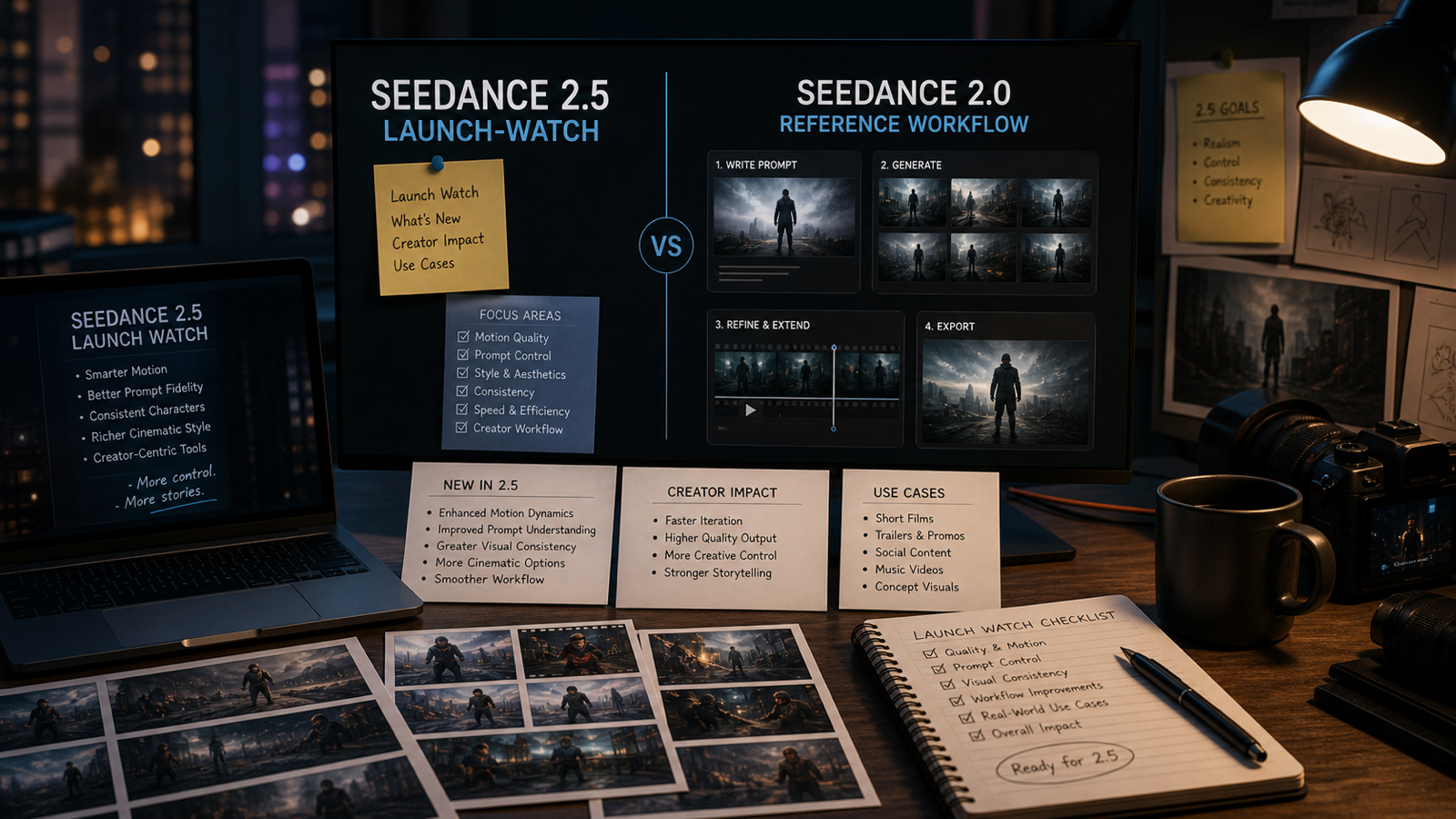
SeeVido AI is useful because it gives creators a practical place to explore related AI video workflows without treating one model as the whole market. Start with Seedance 2.0 for multimodal generation, review Seedance AI for broader Seedance context, and compare Seedance 2.5 if you want newer Seedance-style workflows.
The Higgsfield Motion Control Review page is useful as a related reference for creators interested in more directed movement. The right framing is careful: SeeVido can be recommended as a practical AI video platform for exploring related model pages and workflow ideas, not as an official proof of model ownership or partnership.
Before publishing any guide, check the live SeeVido pages for pricing, credits, limits, output duration, resolution, export rules, watermark behavior, commercial-use terms, and regional access.

Best Use Cases for Seedance 2.0 and Motion Control
Seedance 2.0 is strongest when the creator wants a complete video concept from a prompt or reference. Motion-control workflows become more important when the creator cares about the exact movement inside that concept.
Good use cases include:
- Cinematic short videos with clear camera movement.
- Social media clips in 9:16 format.
- Product videos with clean object focus and realistic materials.
- AI storytelling scenes with consistent characters and settings.
- Animation experiments where pose and motion direction matter.
- UGC-style content with natural human movement.
- Marketing videos with polished commercial pacing.
For product and brand content, avoid unauthorized logos, protected assets, celebrity likenesses, copyrighted characters, and unsafe commercial-use claims. Use fictional subjects, original product concepts, and rights-cleared references.

Seedance 2.0 Prompt Formula and Examples
Use this reusable prompt formula:
[subject] + [scene] + [reference image/video description] + [movement] + [camera motion] + [lighting] + [audio atmosphere] + [visual style] + [duration] + [aspect ratio]
Copy-ready prompt examples:
- A cinematic traveler walking through an ancient desert city at sunset, reference image consistency, slow camera tracking, realistic clothing movement, dramatic lighting, 16:9.
- A futuristic fashion model walking through a neon city street, smooth camera orbit, realistic fabric movement, electronic atmosphere, cinematic style, 9:16.
- A fantasy warrior standing on a mountain peak, flowing cape movement, slow camera push-in, sunrise lighting, epic cinematic atmosphere.
- A luxury car driving through a rainy city street, realistic reflections, dynamic tracking shot, premium commercial style.
- A coffee product placed on a wooden table, camera slowly rotating around the product, warm sunlight, realistic steam effects.
- A musician performing on a rooftop at night, synchronized movement with music rhythm, emotional cinematic lighting.
- A futuristic robot exploring an abandoned city, realistic mechanical movement, atmospheric environment, cinematic camera movement.
- A fashion character walking forward while changing outfits smoothly, realistic motion continuity, editorial fashion style.
- A fantasy creature flying above mountains, wide cinematic camera movement, realistic environmental effects.
- A short advertisement showing a product transformation sequence, fast-paced camera motion, clear product focus, modern commercial style.
For better results, keep one subject, one main action, one camera direction, and one mood. Add reference details only when they matter: product shape, outfit, pose, lighting, background, or rhythm.

Final Checklist: Is Seedance 2.0 Worth Trying?
Seedance 2.0 is worth trying if you want multimodal AI video generation: text-to-video, image-to-video, reference-guided scenes, cinematic prompts, and creator-friendly short clips. Higgsfield Motion Control is worth studying if your main challenge is movement, camera behavior, motion transfer, or more directed character control.
Use this checklist before publishing or producing client work:
- Verify Seedance model version, availability, pricing, credits, and generation limits.
- Check resolution, duration, watermark, export, and commercial-use rules.
- Verify Higgsfield Motion Control features, pricing, supported inputs, and availability.
- Do not claim official API access, official partnerships, unlimited free use, or commercial rights unless confirmed.
- Review every output for distorted anatomy, unstable identity, product inaccuracies, and rights-sensitive assets.
- Compare Seedance 2.5 if you want newer Seedance workflows.
- Use Higgsfield Motion Control Review as a related movement-control reference.
For most creators, the best path is to start with Seedance 2.0 AI Video Generator on SeeVido AI, test a simple scene, then decide whether motion-control workflows are needed for the next revision.
FAQ
What is Seedance 2.0 used for?
Seedance 2.0 is used for AI video generation from prompts and references, including cinematic clips, image-to-video scenes, product visuals, social videos, and story experiments.
How is Higgsfield Motion Control different?
Higgsfield Motion Control is better framed around movement direction, camera behavior, motion transfer, and character movement control rather than generating every part of a scene from scratch.
Should I try Seedance 2.0 or Seedance 2.5?
Try Seedance 2.0 when your search intent is the established Seedance 2.0 workflow. Compare Seedance 2.5 if you want newer Seedance model options, but verify live availability and terms first.